Gutter Installation Contractor
Seattle, Washington
Vasa Construction LLC is a gutter installation contractor in Seattle, Washington, hanging seamless systems on homes and commercial buildings across the Puget Sound region. A 1,000-square-foot roof sheds several hundred gallons during a single steady downpour, and every one of them has to land somewhere deliberate. We roll seamless stock on site, size the trough and outlets to your actual roof area, and route discharge well clear of the foundation. After 25+ years in this rainfall, we know what fails and why, and we price the work before fabrication begins. Get your free gutter estimate today!
Explore Our Gutter Installation Services
Most gutter complaints in this region are pitch and capacity problems rather than product problems. We calculate from your roof area instead of defaulting to whatever the previous installer used, set hangers at the spacing wet fir needles demand, and replace soft fascia before hanging anything on it.
Seamless Aluminum Gutter Installation
Continuous runs formed on site eliminate the joints where sectional systems eventually leak. Multiple colors and both K-style and half-round profiles let the system match trim rather than fighting it visually.
Downspout and Drainage Routing
Where water exits matters as much as how it gets there. Correctly sized downspouts, adequate outlet counts, and extensions or buried tightlines carry discharge well clear of the foundation and walkways.
Gutter Guards and Leaf Protection
Fir needles defeat most screens on the market. Micro-mesh and reverse-curve products chosen for conifer debris keep troughs flowing through autumn while remaining accessible when maintenance eventually becomes necessary anyway.
Fascia and Gutter Board Repair
Hangers need solid wood to hold. Rotted fascia gets cut out and replaced before installation, because fastening a new system into soft material guarantees sagging runs within a couple of wet seasons.
Commercial Gutter and Scupper Systems
Larger buildings need larger capacity. Oversized commercial troughs, box gutters, scuppers, and collector heads move the volume that comes off warehouse and multifamily roofs without backing up at the corners.
Gutter Repair and Realignment
Not every system needs replacing. Resetting pitch, replacing failed hangers, resealing end caps, and correcting undersized outlets often restores full function for a fraction of what a complete installation would cost.
This is paragraph text
This is paragraph text
Gutter Materials and Profiles
We form seamless gutters in aluminum, steel, and copper, in both K-style and half-round profiles. Capacity and appearance drive the decision together, since a trough that suits a bungalow will drown under the roof area of a two-story colonial.
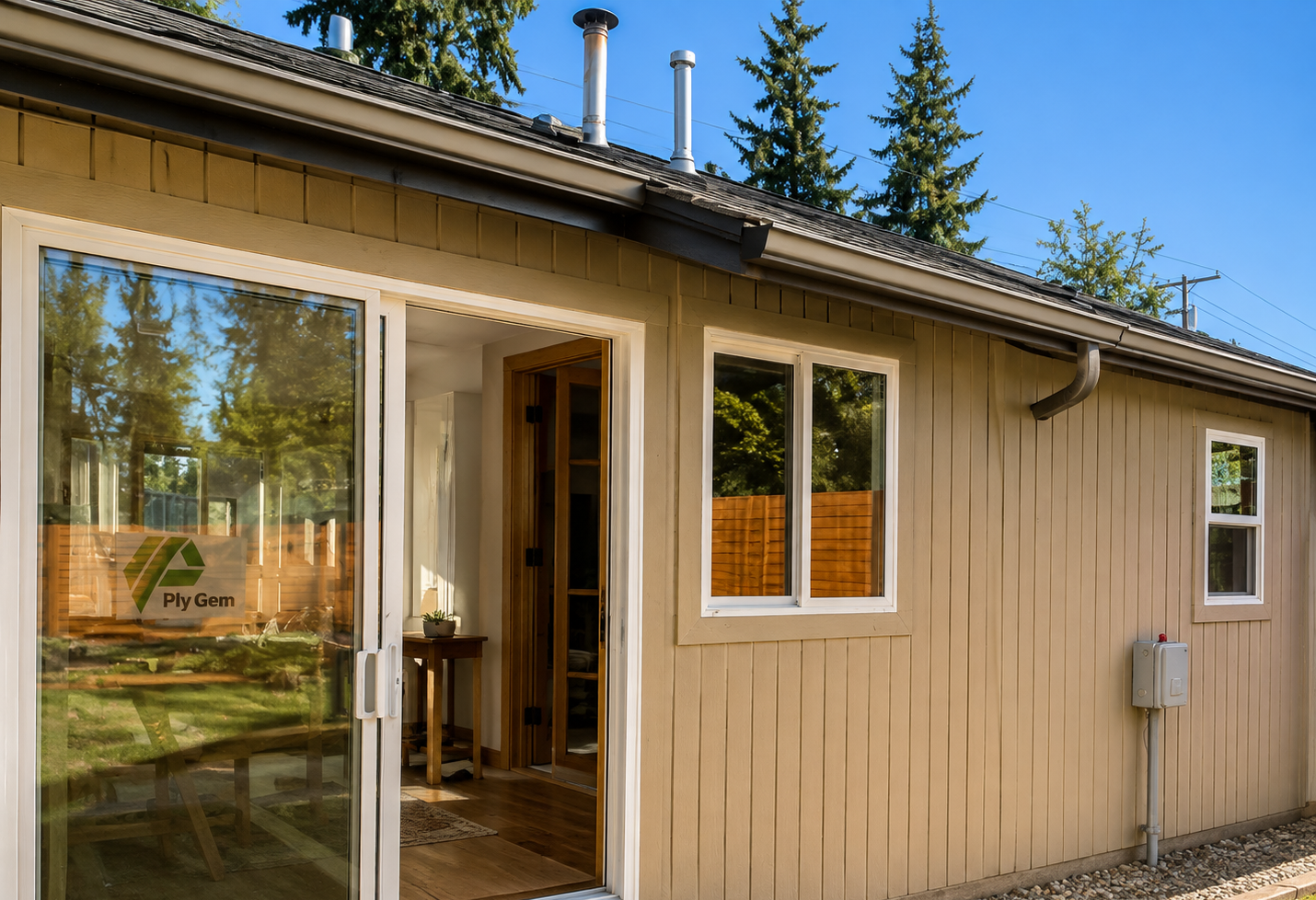
Seamless Aluminum
The standard for good reason. It never rusts, weighs little enough to hang on ordinary fascia, comes in a wide color range, and forms cleanly on site into runs of any practical length.
Steel Gutters
Heavier gauge for properties under mature trees where falling limbs are a genuine risk. Galvanized and painted steel resists denting far better than aluminum, at the cost of more weight and eventual corrosion risk.
Copper Gutters
The premium option for period and architectural homes. Copper needs no finish at all, weathers to a patina many owners specifically want, and routinely outlasts the roof it was installed alongside.
K-Style and Half-Round Profiles
K-style carries substantially more water per inch of face and suits most modern homes. Half-round reads correctly on craftsman, Tudor, and historic elevations where the flat-faced profile would look plainly wrong.
5
Benefits
Benefits
Why Seattle Chooses Vasa Construction LLC
The Vasa Experience comes down to straight answers, clean sites, details that hold, and the same crew from start to finish.
1
Straight Answers
You hear what the building needs and what it will cost before work starts, including the option nobody thought to ask about.
2
Clean Sites
Tarps go down, debris leaves in the truck daily, and magnets sweep the ground so nobody finds a stray fastener with a tire.
3
Details That Hold
The parts you never see, like flashing laps and fastener patterns, get done to spec, because those are what fail first.
4
Crews You Recognize
The same team starts and finishes your project, so you are never re-explaining the job to someone who arrived halfway through the week.
See What Our Customers Are Saying!
Direct Water Away and Protect Your Property
Gutters are the least interesting part of a house and one of the most consequential, which is exactly why they get hung carelessly. Undersized troughs, too few downspouts, and discharge dumped at the foundation quietly manufacture the damp crawlspace, the streaked siding, and the rotted fascia that surface years later as three separate problems. Getting the drainage right at the start prevents all of them at once. Vasa Construction LLC sizes and installs systems for the rain that actually lands on Seattle, Washington roofs. Tell us about your property through our contact page.
Can new material go over an existing roof?
We do not recommend it. Layering hides deck damage, complicates future leak tracing, traps heat that shortens shingle life, and skips the flashing replacement that prevents the next round of problems.
What underlayment works best in a wet climate?
Synthetic underlayment outperforms felt in sustained rain because it resists tearing and does not absorb water. Ice and water shield goes in valleys, around penetrations, and along eaves where backup is likeliest.
How do I choose between composition shingles and metal?
Budget, pitch, and how long you plan to stay decide it. Composition costs less upfront and suits most homes, while metal doubles service life. Vasa Roofing West Seattle LLC installs both across Seattle, Washington.
How is the house protected while the roof is open?
Vasa Roofing West Seattle LLC tarps exposed sections, dries in each area before the crew leaves, and covers landscaping and siding throughout. Homes across Seattle, Washington stay sealed every night of the project.
Frequently Asked Questions
What gutter size does a Seattle home need?
Standard 5-inch K-style suits many homes, but steep pitches, large roof areas, and heavy rainfall often justify 6-inch troughs with additional downspouts. We calculate from roof area, not habit.
Are gutter guards worth it under fir trees?
Yes, provided you choose one designed for needles rather than leaves. Micro-mesh performs well against conifer debris. Basic screens and foam inserts tend to clog faster than bare gutters do.
How often should gutters be cleaned in this region?
Twice yearly for most properties, and more where firs or maples overhang the roof. Late autumn and early spring are the practical windows, before and after the heaviest debris arrives.
What are the signs my gutters are failing?
Water sheeting over the front edge, visible sagging between hangers, separated seams, staining down the siding, and erosion trenches directly beneath the roofline all indicate the system is no longer coping.
Where should downspouts actually discharge?
At least 4 to 6 feet from the foundation, onto a splash block, extension, or buried tightline running to daylight or an approved drain. Discharging next to the wall defeats the whole system.
Are seamless gutters better than sectional?
Considerably. Sectional systems leak at every joint eventually, and each joint collects debris. Vasa Construction LLC forms seamless runs on site for properties throughout Seattle, Washington to avoid both problems.
Can gutters be installed without replacing the fascia?
Only if the fascia is sound. Hangers pull out of rotted wood and the run sags, so any soft board gets replaced first. Vasa Construction LLC checks that on every Seattle, Washington estimate.
How much pitch does a gutter run need?
Roughly a quarter inch of fall for every 10 feet, sloping toward the outlets. Too little and water stands in the trough; too much and the run looks visibly crooked from the ground.