How to Install and Replace Rain Gutters?
Metal roofing installation has become increasingly popular due to its long lifespan and energy efficiency.
Benefits of metal roofing:
- Lifespan of 40–70 years
- Highly resistant to wind, fire, and snow
- Reflects sunlight, reducing cooling costs
- Low maintenance requirements
Metal roofs are often chosen by property owners seeking long-term savings despite the higher upfront roofing labor cost.
Best for:
- Commercial buildings
- Modern residential homes
- Industrial properties
Metal roofing is often recommended by licensed roofing companies in Kent, WA, for its durability in harsh weather conditions
Flat roof installations are commonly used in commercial and industrial buildings.
Advantages:
- Cost-efficient installation
- Easy access for maintenance
- Compatible with HVAC systems and solar panels
- Modern waterproofing technology available
Flat roofs require proper drainage systems to prevent leaks, making expert installation critical.
Best for:
- Warehouses
- Office buildings
- Commercial complexes
Many businesses rely on commercial roofing to ensure proper installation and maintenance.
Kitchen Remodeling ROI (Return on Investment)
A kitchen remodel is one of the best home improvements for increasing property value.
Project timelines vary depending on complexity:
- Small remodel: 2–4 weeks
- Mid-range remodel: 4–8 weeks
- Luxury remodel: 8–12+ weeks
Delays can occur due to:
- Material shortages
- Permit approvals
- Contractor availabilitys.
How Long Does a Kitchen Remodel Take?
Choosing the right roofing material for your Roofing Installation in 2026 depends on your budget, building type, climate, and long-term goals. Whether you are planning a new home project or upgrading a commercial property, each material offers unique advantages.
From asphalt shingles to metal systems and advanced synthetic materials, today’s roofing options are more efficient and durable than ever. With proper planning, accurate estimates, and help from a licensed roofing company in Kent, WA, you can ensure a strong and long-lasting roofing system.
If you are considering a new roof or need expert guidance on material selection, consulting experienced professionals like Vasa Roofing West Seattle LLC is the best first step toward a secure and efficient roofing investment.
Benefits:
- Sleek, clean appearance
- Improved functionality
- Higher resale value
Investing in modern design can increase your home’s market appeal significantly.
Factors That Affect ROI:
- Quality of materials
- Design appeal
- Market demand
- Location
Mid-range remodels often provide the best return on investment.
Handle simple tasks like painting or backsplash installation.
DIY Where Possible
- Aesthetic Flooring:
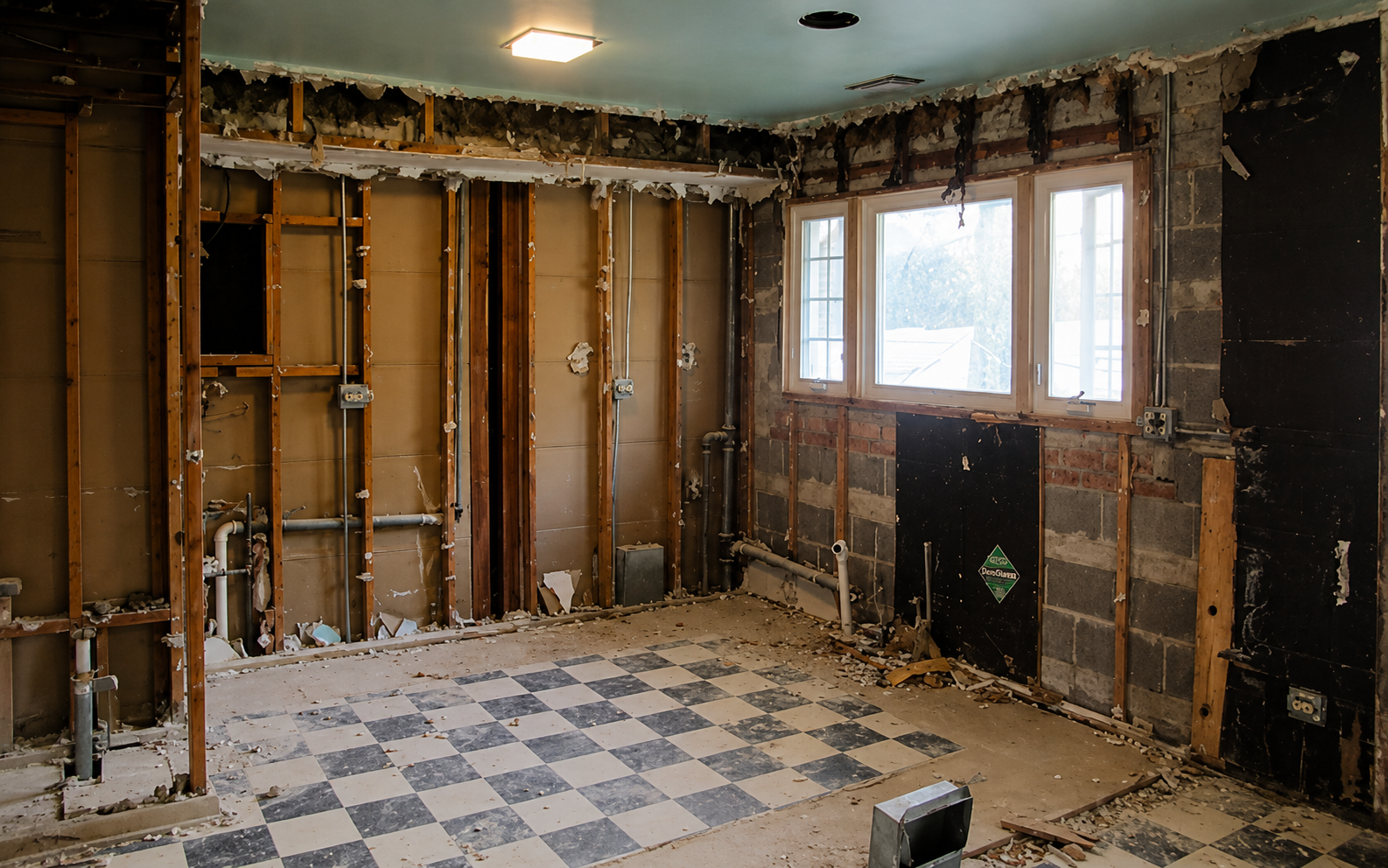
Flooring is the crucial step to give an aesthetic and fresh look to your house. Some contractors prefer to do it after all of the remodeling and cleaning of the debris. It provides a clear and enhanced look to your floors. Contact your designer and ask for multiple floor designs. The most popular designs in the US are vinyl, hardwood, tile, and laminate floors. You can also choose from multiple designs available for kitchen remodeling and bathroom remodeling.
- Reshape Your Walls:
When everything is in the place where it should be, and framing and rebuilding are completed, it’s time to reshape your house walls. Install the insulation to enhance the indoor comfort level. While choosing the insulation, always consider your weather conditions and install it according to your needs. Now, your walls need to be taped and mudded. Let the mud dry. It’s time to apply the paint or primer on the walls. It is the most crucial step because it gives the final look to your house walls.
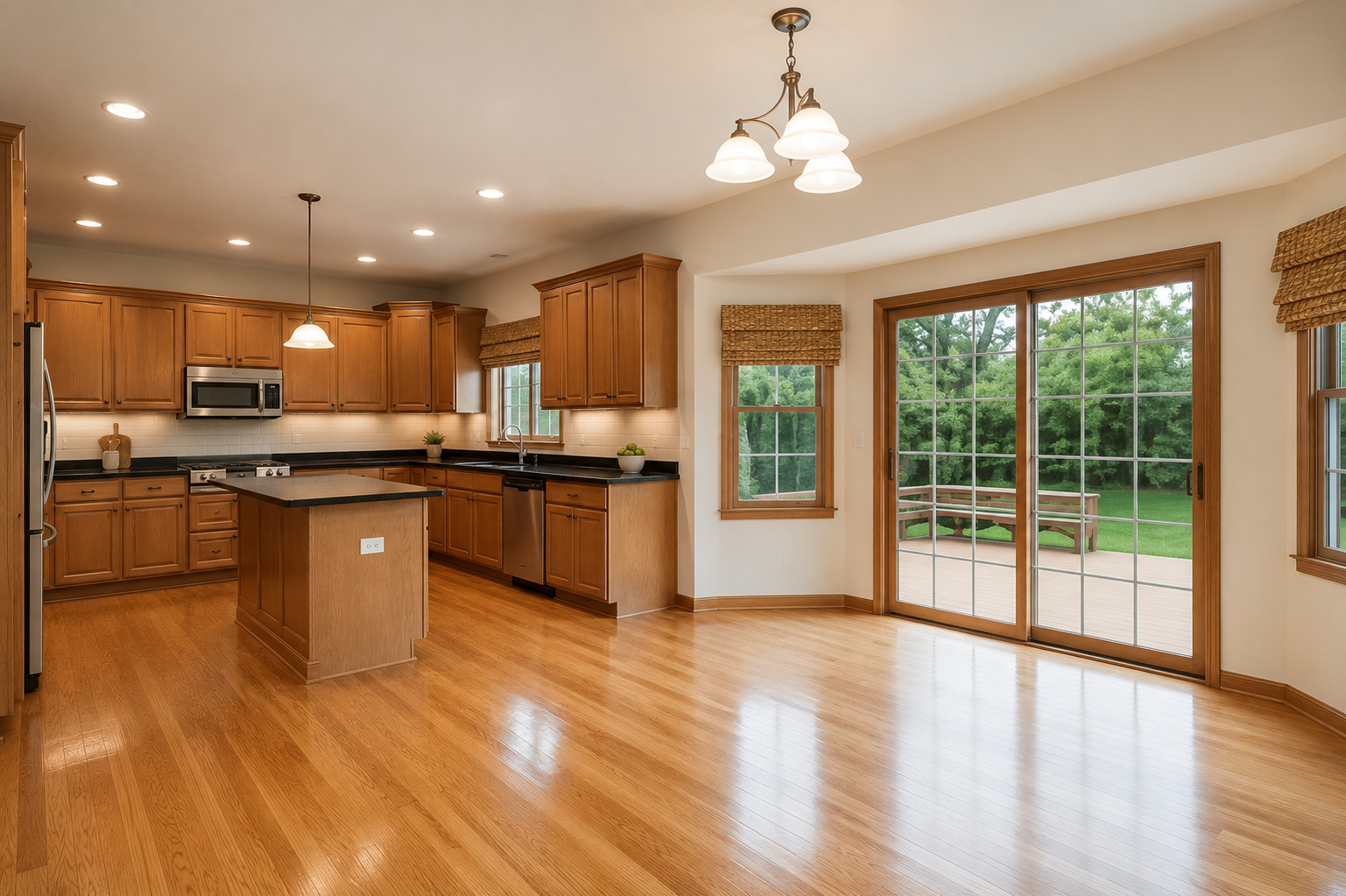
Investing in high-quality roofing installation is one of the best ways to increase property value. Whether it’s a stylish metal roof, solar shingles, or impact-resistant materials, modern roofing trends contribute to higher resale values. Homebuyers are more willing to invest in homes with:
- Energy-efficient roofing that reduces utility costs.
- Durable materials that require less maintenance.
- Aesthetic enhancements that boost curb appeal.
Upgrading to a modern roofing solution is a long-term investment that pays off when it’s time to sell.
8. Roofing That Enhances Home Value
Rain gutters play a crucial role in protecting your home from water damage by directing rainwater away from the foundation. If your gutters are damaged or worn out, gutter installation or replacement becomes necessary to maintain the integrity of your home. This guide will walk you through the process of gutter installation and gutter repair, ensuring your home remains safe and dry.
Why Are Rain Gutters Important?
Rain gutters help in preventing water damage to your home’s foundation, protecting your landscaping from erosion, preventing basement flooding, reducing mold and mildew growth on walls, and enhancing the overall longevity of your home. By ensuring your rain gutters are properly installed and maintained, you can avoid costly repairs in the future.
Tools and Materials Needed for Gutter Installation
Before starting, gather the following tools and materials: measuring tape, chalk line, hacksaw or power saw, screws and brackets, sealant or caulking gun, downspouts and elbows, drill and screwdriver, ladder, safety gloves, and glasses.
Step-by-Step Guide to Installing Rain Gutters
1. Measure and Plan
Start by measuring the length of the roofline where the gutters will be installed. Mark the downstream locations and determine the slope of the gutter system to ensure proper water flow.
2. Mark the Slope
Use a chalk line to mark a slight downward slope (1/2 inch per 10 feet) toward the downspouts. This helps in directing the water efficiently.
3. Cut and Assemble the Gutters
Using a hacksaw, cut the gutters to the required length. Attach end caps and apply sealant to prevent leaks. Assemble the sections before mounting them onto the house.
4. Install the Brackets
Secure the gutter brackets along the chalk line using screws and a drill. Space them about 2 feet apart for stability.
5. Attach the Gutters
Carefully place the gutter sections into the brackets and secure them tightly. Ensure they follow the slope for proper drainage.
6. Install drains
Connect the downspouts to the gutter outlets using elbows. Secure them to the wall using brackets and screws.
7. Seal the Joints
Apply sealant at all seams and joints to prevent leaks. Allow it to dry completely before testing the system.
8. Test the System
Run water through the gutters using a garden hose to check for proper drainage and leaks. Make any necessary adjustments.
How to Replace Old Gutters
If your existing gutters are damaged, follow these steps to replace them. First, remove the old gutters by unscrewing and detached them carefully. Next, inspect the fascia board for any damage and repair it if needed. Then, follow the installation steps mentioned above to install new gutters. Finally, dispose of old materials responsibly by recycling or discarding them properly.
Common Gutter Repairs and Maintenance Tips
1. Fixing Leaks
Use a waterproof sealant to patch any leaks in the gutters. For larger holes, apply a patch made of metal flashing.
2. Clearing Clogs
Remove leaves and debris from the gutters regularly to prevent blockages. Install gutter guards to reduce clogging.
3. Repairing Sagging Gutters
Tighten or replace loose brackets to keep the gutters aligned.
4. Replacing Damaged Sections
If a section of the gutter is beyond repair, replace it with a new one following the installation steps.
Benefits of Hiring a Professional for Gutter Installation
While DIY gutter installation is possible, hiring a professional ensures proper installation with high-quality materials, reduces the risk of injury from working on a ladder, provides expert knowledge on slope and drainage solutions, and ensures long-term durability with professional-grade sealants and fittings.
FAQs About Gutter Installation and Repair
How often should I replace my gutters?
Gutters typically last 20-30 years, but you should inspect them annually for signs of damage.
Can I install gutters myself, or should I hire a professional?
DIY gutter installation is possible, but if you lack experience, hiring a professional ensures proper installation and durability.
How do I know if my gutters need repair or replacement?
Signs include leaks, sagging, rust, peeling paint, and water pooling near the foundation.
What are the best materials for gutters?
Aluminum is lightweight and rust-resistant, while copper and steel offer durability but at a higher cost.
How can I prevent my gutters from clogging?
Regular cleaning and installing gutter guards help prevent clogs and blockages.
Conclusion
Proper gutter installation and gutter repair are essential for maintaining a home’s structural integrity. Whether you choose to install new gutters or replace old ones, following these steps ensures efficiency and longevity. Regular maintenance further extends their lifespan and keeps your home protected from water damage.
