Roof Inspection Guide: Everything You Should Know
Metal roofing installation has become increasingly popular due to its long lifespan and energy efficiency.
Benefits of metal roofing:
- Lifespan of 40–70 years
- Highly resistant to wind, fire, and snow
- Reflects sunlight, reducing cooling costs
- Low maintenance requirements
Metal roofs are often chosen by property owners seeking long-term savings despite the higher upfront roofing labor cost.
Best for:
- Commercial buildings
- Modern residential homes
- Industrial properties
Metal roofing is often recommended by licensed roofing companies in Kent, WA, for its durability in harsh weather conditions
Flat roof installations are commonly used in commercial and industrial buildings.
Advantages:
- Cost-efficient installation
- Easy access for maintenance
- Compatible with HVAC systems and solar panels
- Modern waterproofing technology available
Flat roofs require proper drainage systems to prevent leaks, making expert installation critical.
Best for:
- Warehouses
- Office buildings
- Commercial complexes
Many businesses rely on commercial roofing to ensure proper installation and maintenance.
Kitchen Remodeling ROI (Return on Investment)
A kitchen remodel is one of the best home improvements for increasing property value.
Project timelines vary depending on complexity:
- Small remodel: 2–4 weeks
- Mid-range remodel: 4–8 weeks
- Luxury remodel: 8–12+ weeks
Delays can occur due to:
- Material shortages
- Permit approvals
- Contractor availabilitys.
How Long Does a Kitchen Remodel Take?
Choosing the right roofing material for your Roofing Installation in 2026 depends on your budget, building type, climate, and long-term goals. Whether you are planning a new home project or upgrading a commercial property, each material offers unique advantages.
From asphalt shingles to metal systems and advanced synthetic materials, today’s roofing options are more efficient and durable than ever. With proper planning, accurate estimates, and help from a licensed roofing company in Kent, WA, you can ensure a strong and long-lasting roofing system.
If you are considering a new roof or need expert guidance on material selection, consulting experienced professionals like Vasa Roofing West Seattle LLC is the best first step toward a secure and efficient roofing investment.
Benefits:
- Sleek, clean appearance
- Improved functionality
- Higher resale value
Investing in modern design can increase your home’s market appeal significantly.
Factors That Affect ROI:
- Quality of materials
- Design appeal
- Market demand
- Location
Mid-range remodels often provide the best return on investment.
Handle simple tasks like painting or backsplash installation.
DIY Where Possible
A roof inspection involves a thorough examination of your roofing system by a licensed inspector to assess its condition and identify any needed repairs or replacements. It’s an efficient pathway for homeowners, particularly when buying or selling a home, as it helps to determine a roof’s quality and projected lifespan. Companies like Vasa Construction LLCs provide regular inspections, especially as part of preventative maintenance, which can help catch potential problems early, leading to less costly repairs and an extended roof lifespan. In this guide, you will learn about the key aspects that should not be ignored before roof inspection

Here is our expert guide on vinyl siding installation in 6 steps:
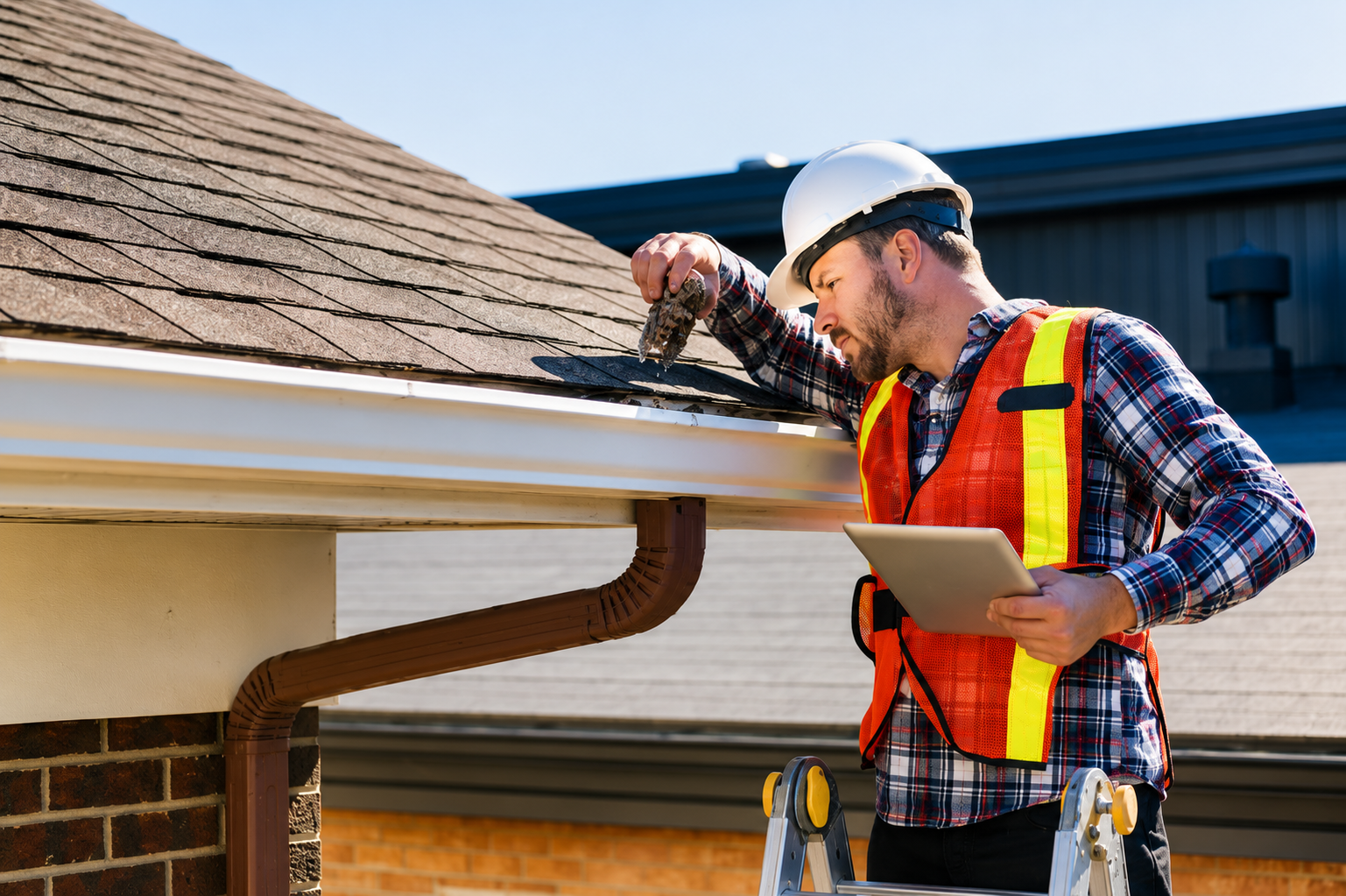
- Visual Inspection – The First Line of Defense
Visual roof inspection is the foundational method for evaluating the condition of materials, structures, and equipment, serving as the first line of defense in quality control and safety of your property.
Areas typically covered during visual inspection include:
- Roof shingles inspection
- Roof Flashing Inspection
- Roof leak detection
- Structural Inspection – Assessing the Roof’s Support System
A structural inspection focusing on the roof’s support system involves evaluating the framework that supports the roof, including beams, rafters, and underlying materials.
Areas typically covered during structural inspection:
- Gutter System
- Chimney and Vents
- Soffits and Fascia
- Material Inspection: Ensuring Roof Protection
Material inspection is crucial for ensuring roof protection by identifying potential issues early on, preventing costly repairs, and maintaining structural integrity. This proactive approach extends the lifespan of the roof, saves money on costly replacements, and protects the property’s value.
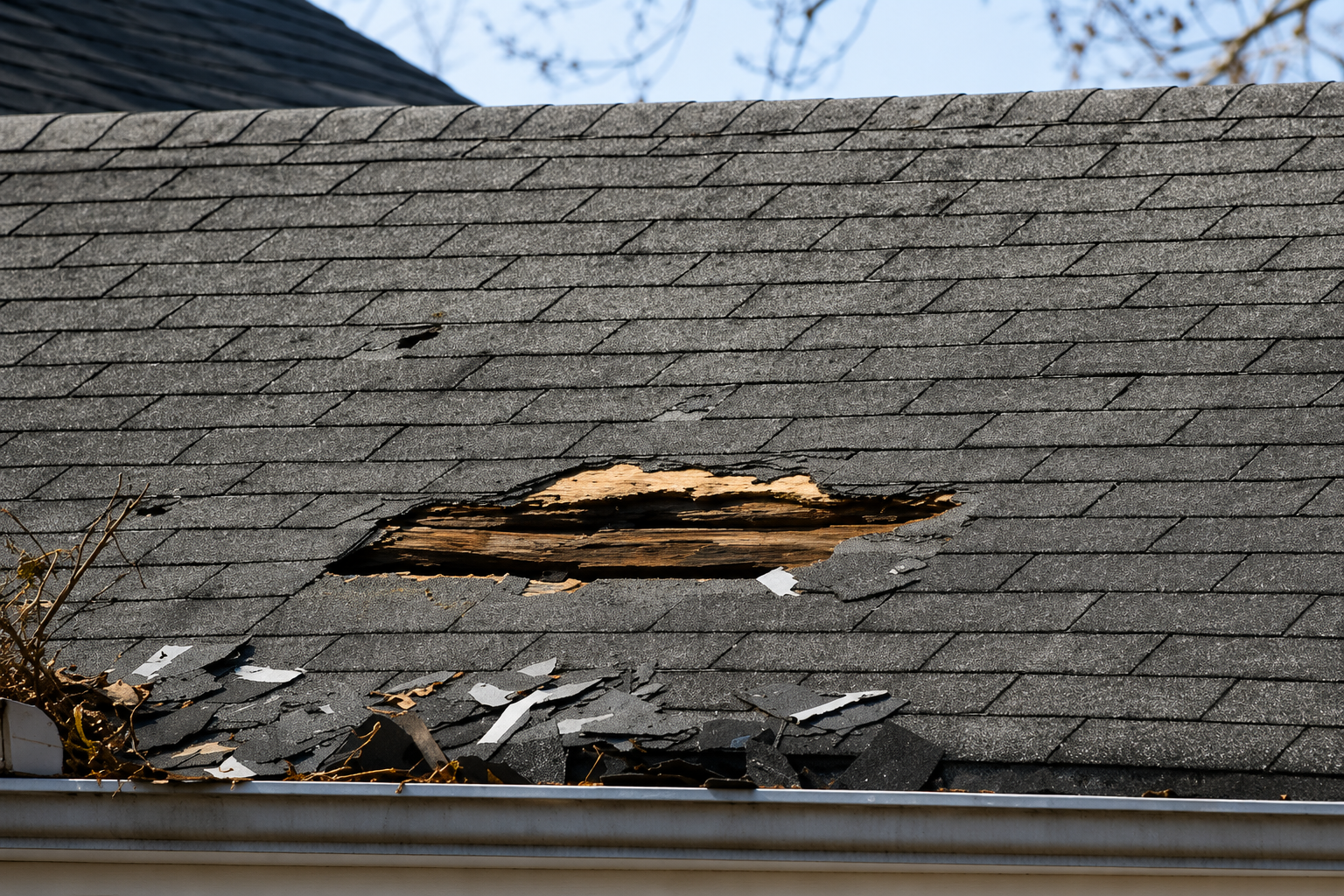
Here is the list of materials that should be inspected during a commercial roof inspection or a residential roof checkup:
- Shingle Quality
- Sealants and Underlayment
- Algae and Moss Growth
- Interior Inspection: Checking for Hidden Issues
An interior inspection, part of a larger property inspection, is a crucial step in uncovering hidden issues within a building’s interior. It involves a detailed examination of structural elements, plumbing, electrical systems, and other internal components to identify potential problems that might not be immediately visible.
Here is the list of hidden issues in your roof that should be inspected:
- Water Leaks
- Insulation
- Ventilation
- Documentation and Recommendations
A thorough roof inspection documentation should include visual and interior assessments, photographic evidence of issues, a detailed report outlining findings, and prioritized repair recommendations with cost estimates.
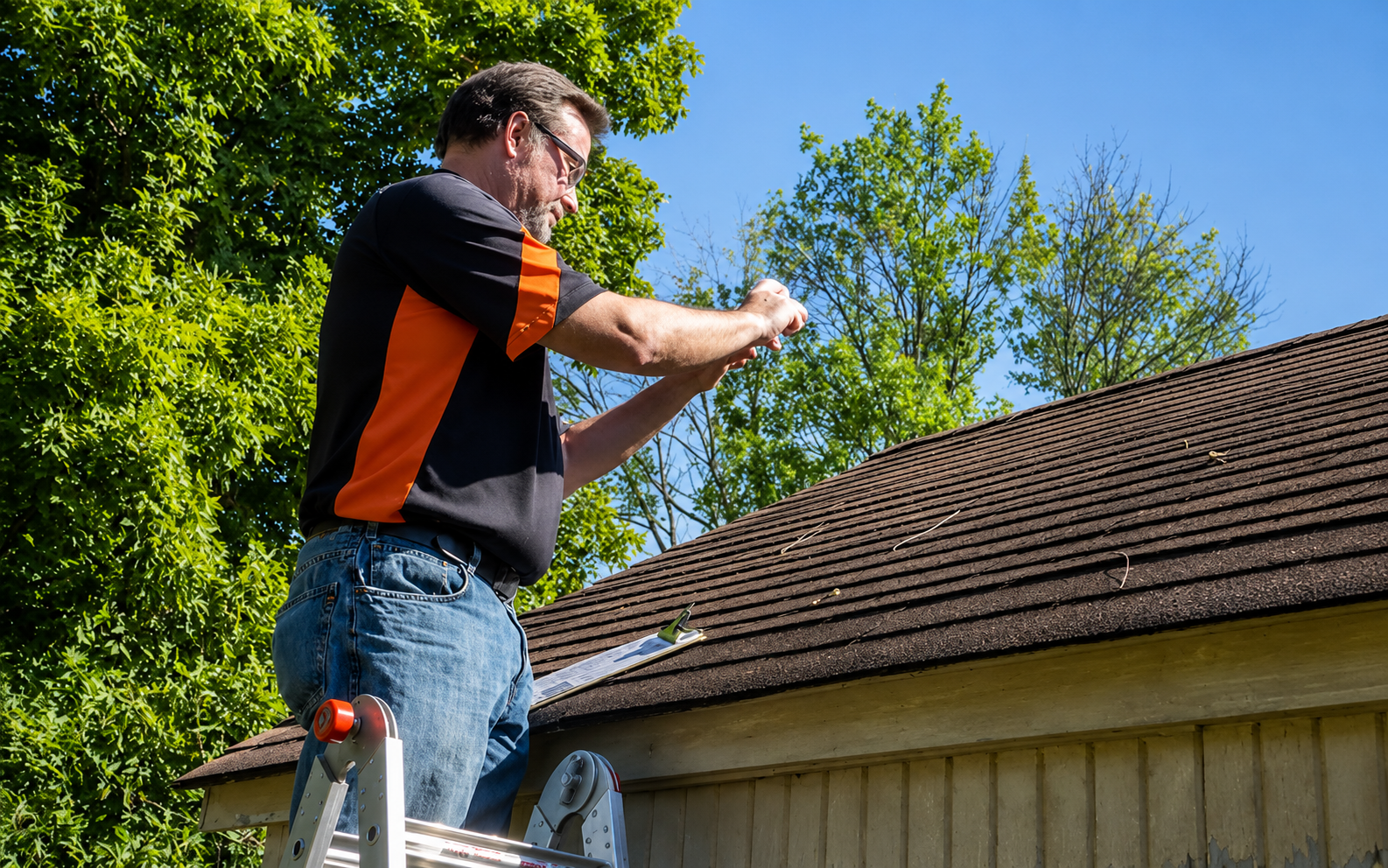
- Before You Begin: Roof Inspection Basics
Before starting a roof inspection, it’s important to understand what you’re looking for and why it matters. Begin by identifying the purpose of the inspection—whether it’s routine maintenance, storm damage roof check, or preparing for repairs. Consider the inspector, local regulations, and insurance liabilities.
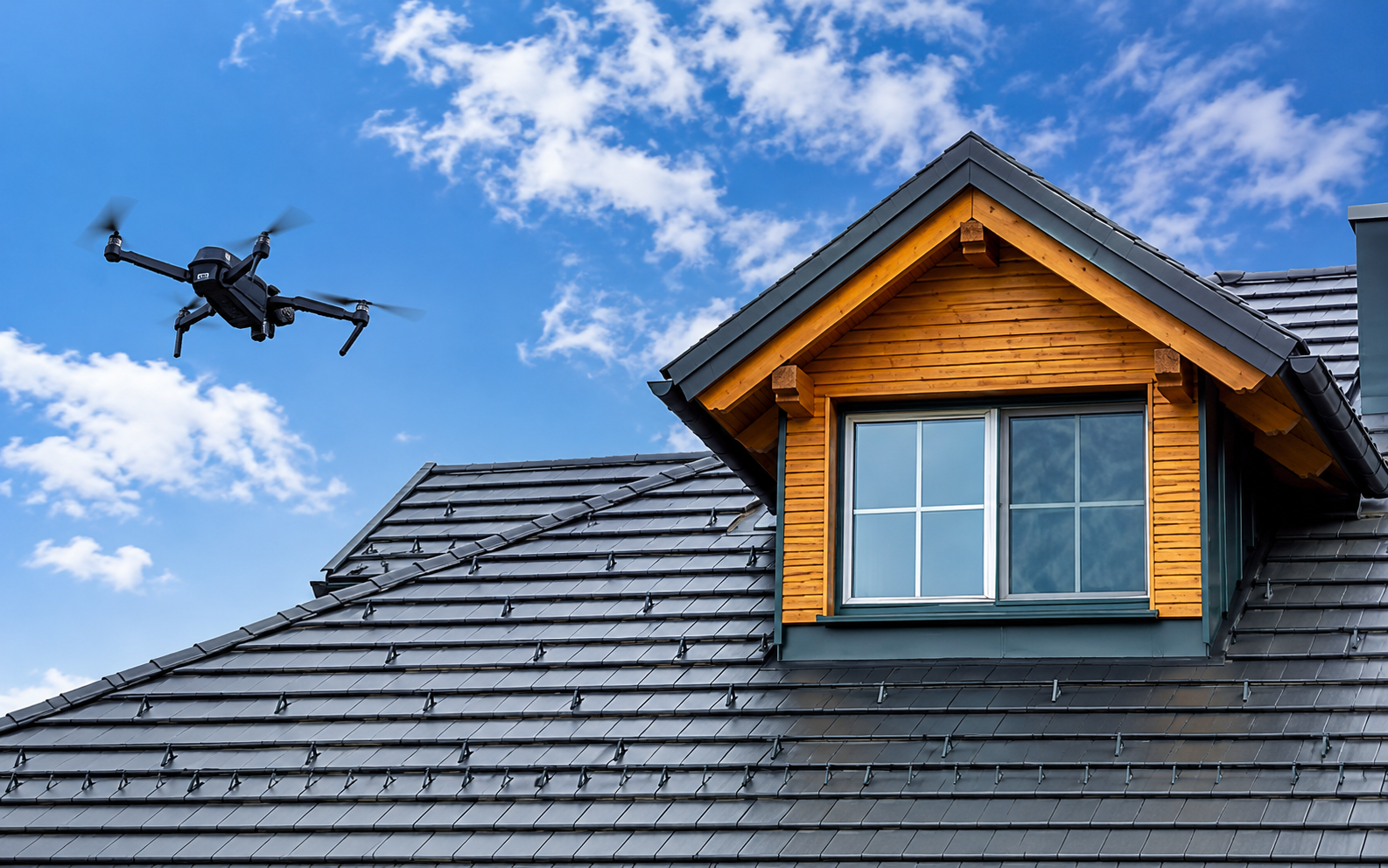
Here are the key aspects that you should consider before the roof inspection:
- Verify the inspector’s Credentials and Certifications.
When verifying an inspector’s credentials, it’s crucial to check for relevant certifications, experience, and industry recognition. This ensures the inspector is qualified and competent to conduct the necessary inspections.
- Check Insurance and Liability Coverage
When checking insurance and liability coverage, focus on key factors like liability limits, deductibles, and the type of coverage (e.g., comprehensive, collision, liability). Ensure you understand the policy’s terms and conditions, including exclusions and limitations.

- Know local regulations and building codes.
Before a roof inspection, understanding local building codes and regulations is crucial. This includes knowing the requirements for materials, flashing, ventilation, insulation, and fire safety, as well as permit and inspection requirements.
- Understand the timeline and cost.
Before a roof inspection, understanding the timeline and costs is crucial. Inspections typically take a few hours, but the report may be delivered within a day or two. Costs vary based on roof size, complexity, and the type of inspection, such as manual, drone, or infrared.
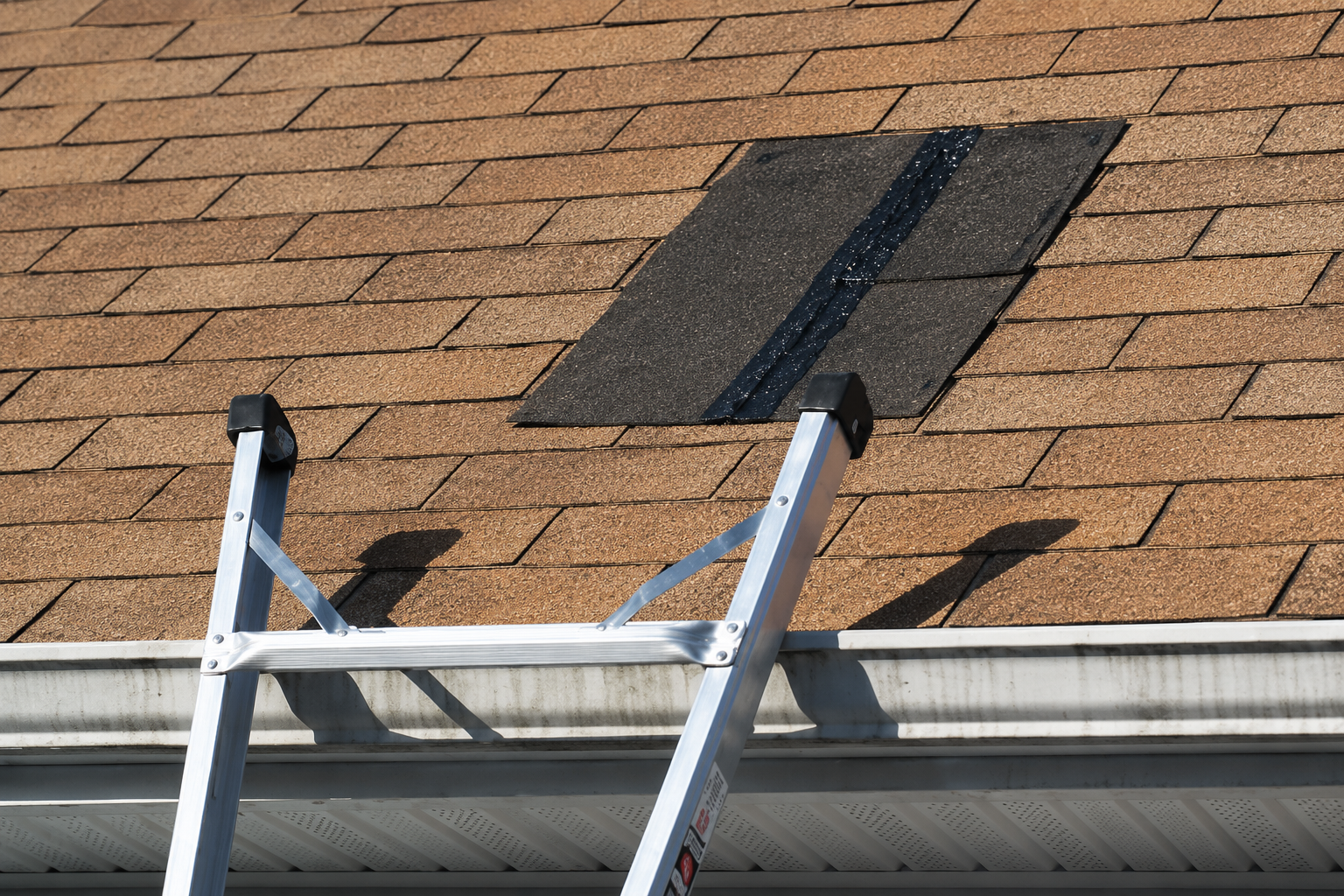
Conclusion
Understanding the key elements of a roof inspection is vital for homeowners. By investing in regular roof inspections and regular roof maintenance, homeowners can detect problems early, extend the lifespan of their roofs, and prevent costly repairs. By working with a certified roofing professional and prioritizing insurance roof inspection, you can be certain that your roof remains in excellent condition for years to come!
FAQs
How often should I schedule a residential roof inspection?
Schedule a flat roof inspection at least once a year and after any major weather events like storms or hail. Regular checks prevent damage from escalating.
Can I inspect my roof myself or do I need a professional?
While you can check for obvious damage, a professional should conduct a full inspection to ensure thoroughness and safety.
How long does a roof inspection take?
Typically, it takes 30 minutes to two hours, depending on the roof size and condition. Drone roof inspection may take less time than the usual inspection time.
How does a roof inspection affect my homeowner’s insurance?
Insurance companies often require proof of regular inspections to maintain coverage. A history of inspections can help support storm damage claims.
How can roof inspections help with the lifespan of my roof?
Regular inspections help identify signs of wear and tear, such as granule loss on shingles or rust on metal roofing, and treating these damages on time will extend the lifespan of your roof.